


The Profound Connection Between Trading and Personal Growth as a Spiritual Journey
- Lucky Khumalo
- Dec 9, 2025
- 4 min read
Trading often draws people with the promise of profit, but its deeper appeal lies in the intense personal transformation it demands. The market acts as a mirror, reflecting our strengths, weaknesses, fears, and desires with unfiltered clarity. This reflection creates a relentless feedback loop that challenges traders to grow beyond financial goals. Trading becomes a powerful crucible for self-discovery and mastery.
This post explores how trading builds essential skills and how it parallels martial arts and spiritual paths. These perspectives reveal trading as more than a profession—it's a journey toward greater awareness, discipline, and balance.
The Tangible Skills Trading Builds
Trading sharpens the mind and hones practical skills that extend far beyond the charts. These skills shape how traders think, learn, and act in complex, uncertain environments.
Probabilistic Thinking
Trading teaches you to see the world in probabilities, not absolutes. Instead of viewing outcomes as simply wins or losses, you learn to weigh the likelihood of different scenarios and make decisions based on expected value. This mindset helps in everyday life, where few things are certain.
For example, a trader might assess a stock’s chance of rising 10% against the risk of a 5% drop. This approach encourages patience and discipline, avoiding impulsive decisions driven by hope or fear.
Meta-Learning
The market floods traders with information every second. Successful traders develop meta-learning skills, which means they learn how to learn efficiently. They quickly identify what data matters and what is noise. This ability to filter and adapt accelerates growth in trading and other fields.
Imagine a trader analyzing news, economic reports, and price charts. Meta-learning helps them focus on signals that truly impact price movements, ignoring distractions that lead to confusion.
Causal Analysis Versus Narrative Fallacy
Markets often inspire stories after the fact, but these narratives can mislead. Trading trains you to distinguish between real causes and convenient explanations. This skill is critical for making sound decisions.
For instance, a stock might drop due to a technical breakdown, not because of a dramatic news story. Recognizing this difference prevents emotional reactions and supports clear thinking.
Risk Calculus
Traders develop an intuitive sense of risk and reward. They learn to spot asymmetric bets where the potential gain far outweighs the possible loss. This skill helps allocate capital wisely and manage exposure.
A trader might risk $100 to make $500, knowing the odds favor the reward. This approach contrasts with gambling or reckless bets, emphasizing calculated risk-taking.
Systematic Execution
Trading demands a robust process for entering, managing, and exiting positions. Developing and following a plan under pressure builds discipline and consistency. This systematic approach reduces emotional interference and improves results.
For example, a trader might use a checklist before every trade to confirm conditions align with their strategy. This routine becomes second nature, much like a practiced skill in any craft.

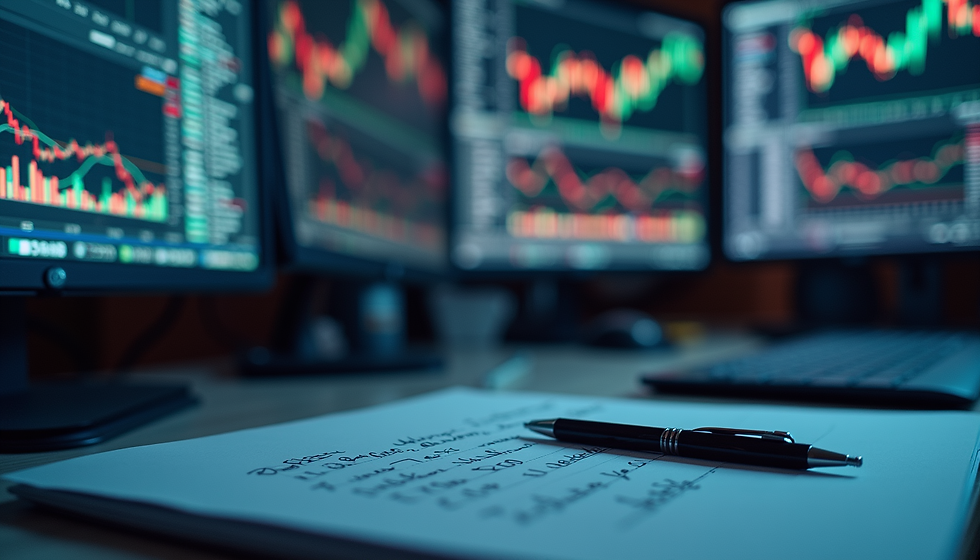
Image caption: A trader’s workspace with charts and data screens, symbolizing the disciplined environment where skills are honed.
How Trading Compares to Martial Arts and Spiritual Paths
Trading shares surprising similarities with martial arts and spiritual disciplines. These parallels highlight the inner work required to succeed and grow.
The Dojo and the Trading Platform
The trading platform is like a dojo, a dedicated space for practice and learning. Charts and price action serve as sparring partners, constantly testing your skills and reactions. Just as martial artists train with opponents, traders engage with the market’s challenges.
This environment demands focus and respect. Each session offers lessons, whether through wins or losses.
The Market as the Stern Master
The market acts as an impartial master, indifferent to ego or desire. It rewards correct actions and punishes mistakes without bias. This mirrors the role of a martial arts sensei who guides students firmly but fairly.
Traders learn humility and patience, understanding that the market’s judgment is final. This relationship fosters growth through honest feedback.
The Kata of Trading Plans
A trading plan and checklist function like kata—structured routines practiced until they become automatic. These routines build muscle memory for decision-making, reducing hesitation and emotional interference.
For example, a trader might follow a step-by-step process for analyzing setups, placing orders, and managing risk. Repeating this process builds confidence and consistency.
The Mindset of Mushin
Mushin, meaning "no mind," describes a state of flow where fear and greed vanish, leaving only clear, focused action. This mindset is the goal for traders seeking mastery.
Achieving Mushin means responding to market conditions without distraction or hesitation. It requires deep trust in one’s preparation and the discipline to follow the plan regardless of emotion.
Practical Examples of Trading as Personal Growth
Consider a trader who repeatedly loses money due to impulsive decisions. Through reflection and discipline, they develop a plan emphasizing risk management and patience. Over time, they learn to control emotions and trust their process. This transformation mirrors a martial artist progressing from raw enthusiasm to refined skill.
Another example is a trader who initially reacts to every news headline. By practicing meta-learning, they learn to filter noise and focus on meaningful data. This shift improves decision-making and reduces stress.
These stories show how trading challenges and refines character, turning setbacks into opportunities for growth.
Trading offers more than financial rewards. It builds a toolkit of mental skills and fosters a spiritual journey toward self-mastery. By embracing the market as a teacher, traders develop clarity, discipline, and resilience that enrich all areas of life.


Comments